
From Signals to Practice: Launching the Aotearoa Food Safety Culture Champions Community of Practice
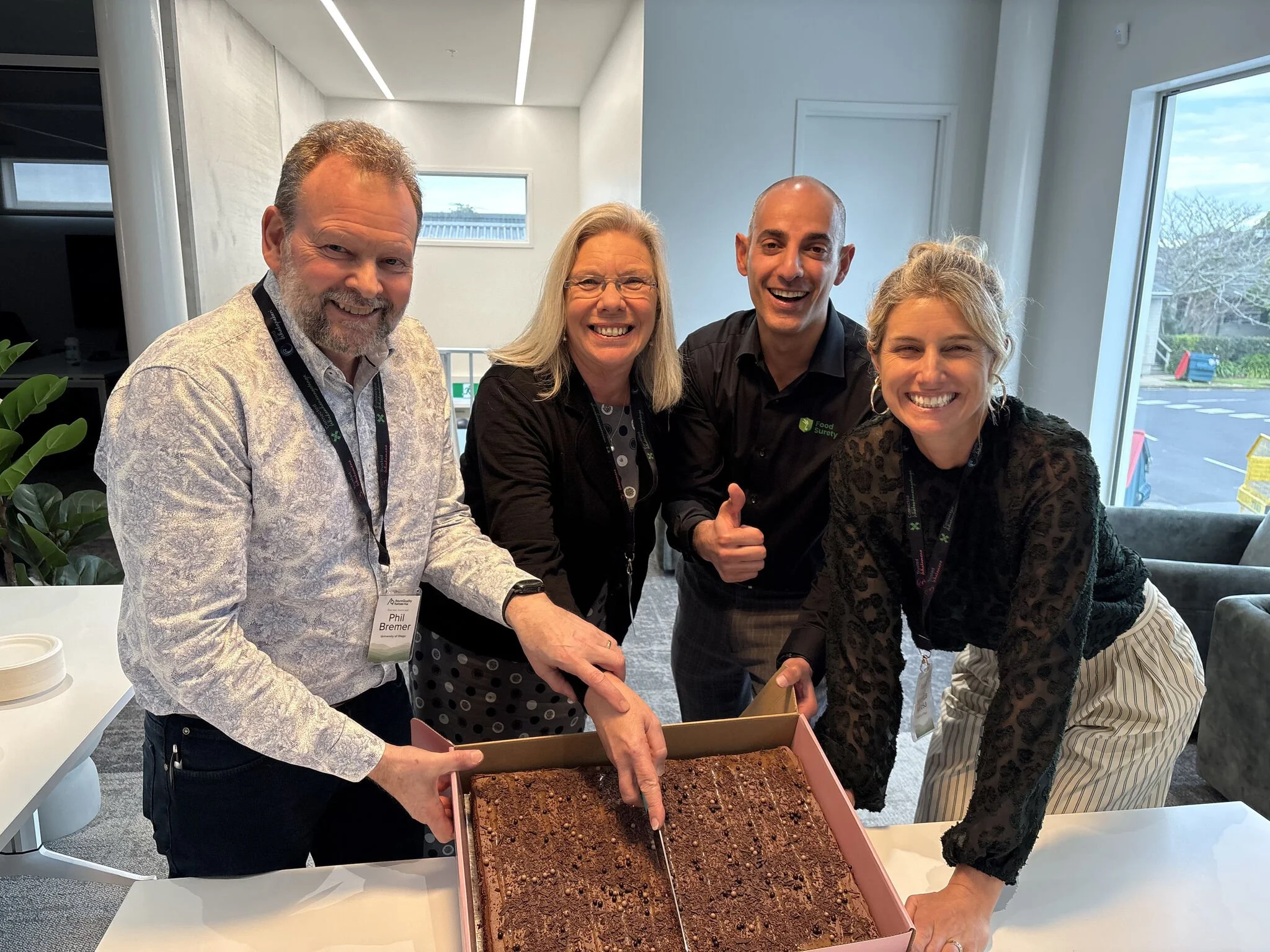
On 11 August 2026, food safety professionals from across different parts of New Zealand's food industry gathered at AsureQuality in Auckland's Blockhouse Bay for the official launch of the Aotearoa Food Safety Culture Champions Community of Practice, hosted by the New Zealand Food Safety Science and Research Centre.
For the Food Safety Culture Lab, this was more than a launch event. It was a clear signal that food safety culture in Aotearoa is moving from ideas, training and discussion towards shared practice across the sector.
One theme from the workshop was particularly striking: "the invisible enemies of safety." The phrase is powerful because it points to one of the most difficult aspects of food safety culture. The factors that shape safety are not only the gaps that can be clearly marked on a checklist. They also include the things that are harder to see, harder to name, yet quietly shape behaviour every day: tolerated shortcuts, unspoken concerns, and repeated messages about what really matters.
🔍 From Formal Signals to Everyday Signals
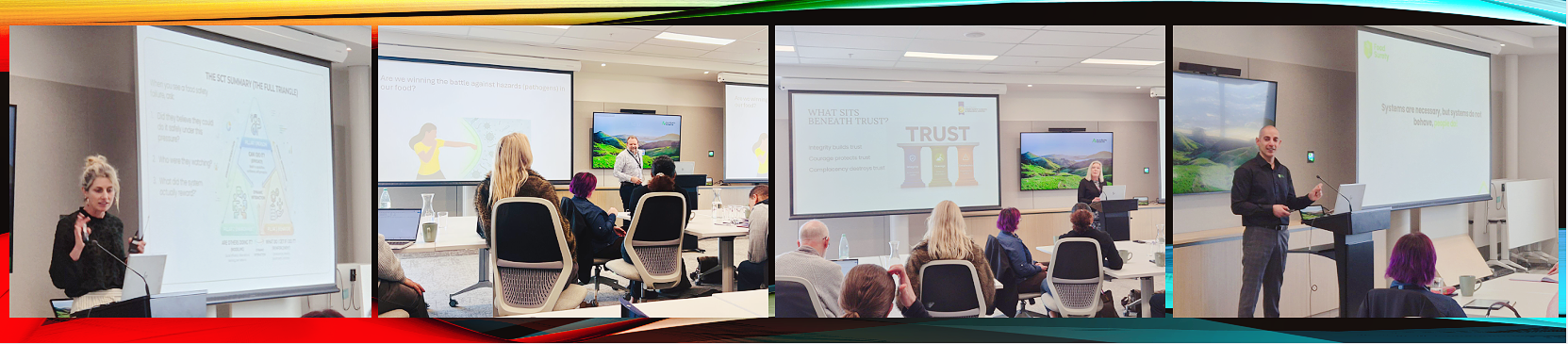
Food safety is never only about systems, standards and procedures. These are essential, but they do not act by themselves. What brings food safety into everyday practice is the set of signals an organisation sends each day.
People notice which behaviours are supported, which risks are taken seriously, which shortcuts are tolerated, and which voices are genuinely heard. Over time, these everyday experiences quietly teach people what food safety really means in that organisation.
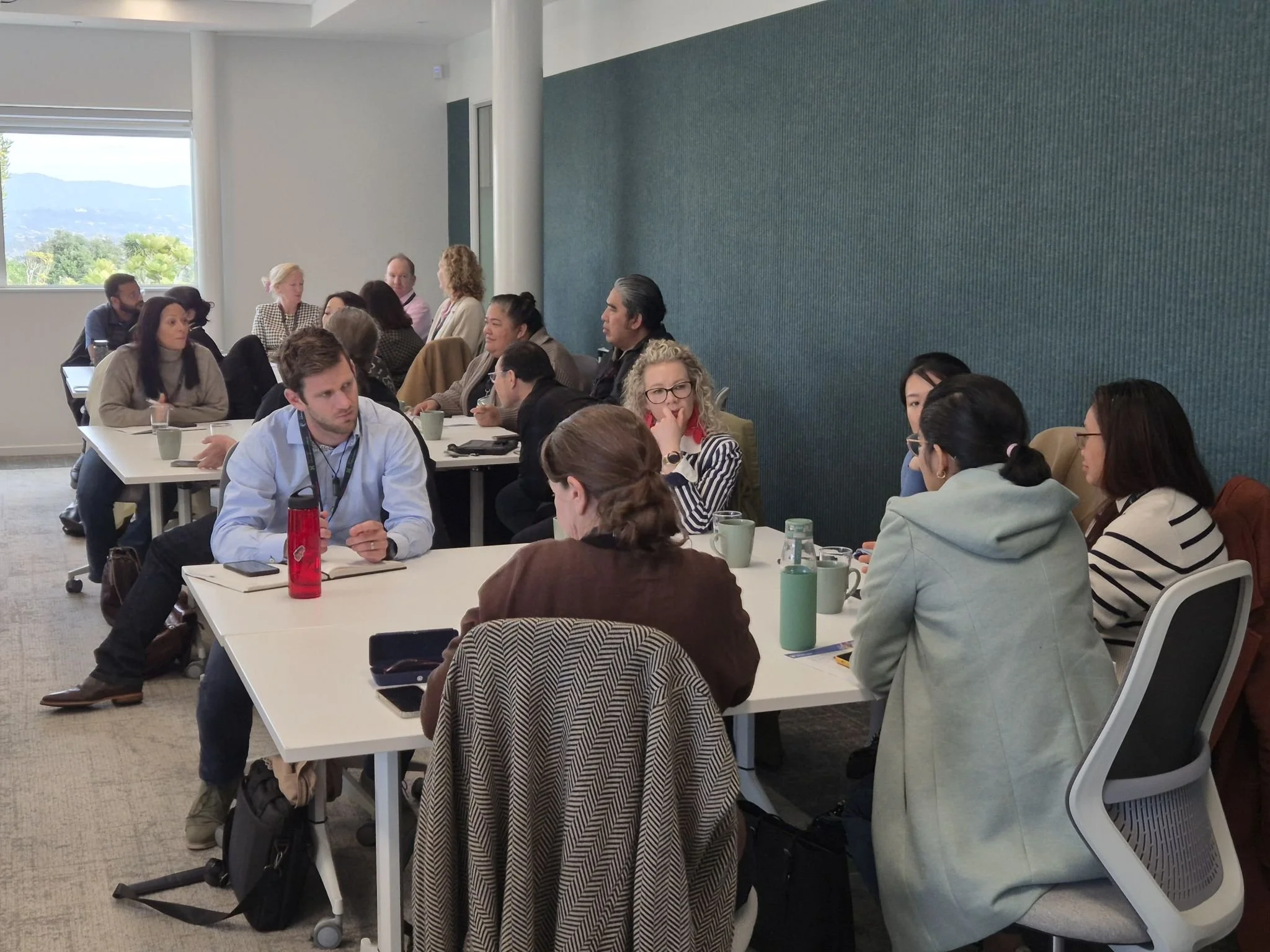
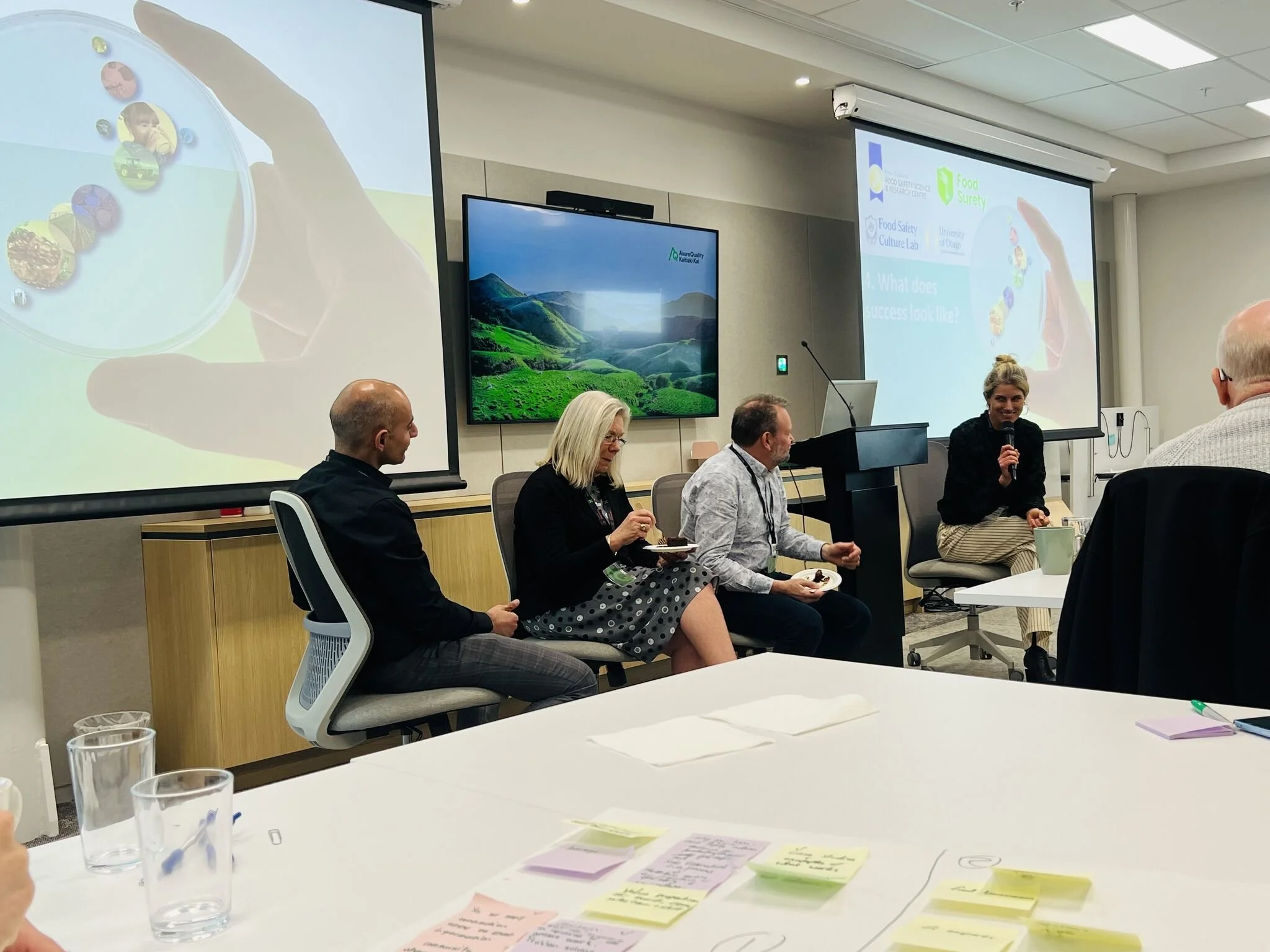
During the launch event, Phil Bremer, Miranda Mirosa, Wendy Newport-Smith and Ray Haddad worked with participants to explore the real pressures that affect food safety culture in practice. These included seasonal labour, high staff turnover, language and communication barriers, production targets, competing KPIs, resource constraints, and mixed organisational signals about what is truly important.
These discussions reminded us that the key question for food safety culture is not simply whether people know what they should do. The deeper questions are: does the work system make the right choice easier? Are leadership messages consistent? Are supervisors properly supported? Do frontline staff feel able to speak up when they see risk?
A written commitment to food safety, and a repeated message on the production floor to "get the product out first" — which one do people actually hear? Too often, it is not the former.
Culture does not only live in formal statements. It also lives in the behaviours that are rewarded, the problems that are overlooked, the shortcuts that are allowed, and the priorities that are repeated through everyday decisions.
🛡️ Moral Courage and the Quiet Illusion of Safety
This is why moral courage became an important theme in the workshop discussion. In a food safety context, moral courage can look very practical: stopping a line when something is not right, escalating a risk, challenging an inappropriate decision, reporting a near miss, refusing a shortcut, admitting a mistake, saying "I don't know," or asking a difficult but necessary question.
These actions may seem small, but they often determine whether an organisation can see a problem before it grows, respond to it, and learn from it.
On the other side of moral courage sits something quieter, and often more dangerous: complacency. Complacency is rarely only an individual failing. More often, it emerges when an organisation has gone a long time without an obvious failure, and gradually begins to mistake "nothing has gone wrong" for "we are safe enough."
Silence, habit, old routines, production pressure and organisational inertia can all make risk feel normal, until it is no longer seen clearly.
A system that never finds problems is not necessarily a safe system. It may also be a system that is losing its ability to sense risk.
A mature food safety culture is not one where problems never occur. It is one where problems can be seen, spoken about and turned into improvement before they lead to serious consequences. This is exactly what the "invisible enemies of safety" would least want to happen.
🛡️Moral Courage and the Quiet Illusion of Safety
This is why moral courage became an important theme in the workshop discussion. In a food safety context, moral courage can look very practical: stopping a line when something is not right, escalating a risk, challenging an inappropriate decision, reporting a near miss, refusing a shortcut, admitting a mistake, saying "I don't know," or asking a difficult but necessary question.
These actions may seem small, but they often determine whether an organisation can see a problem before it grows, respond to it, and learn from it.
On the other side of moral courage sits something quieter, and often more dangerous: complacency. Complacency is rarely only an individual failing. More often, it emerges when an organisation has gone a long time without an obvious failure, and gradually begins to mistake "nothing has gone wrong" for "we are safe enough."
Silence, habit, old routines, production pressure and organisational inertia can all make risk feel normal, until it is no longer seen clearly.
A system that never finds problems is not necessarily a safe system. It may also be a system that is losing its ability to sense risk.
A mature food safety culture is not one where problems never occur. It is one where problems can be seen, spoken about and turned into improvement before they lead to serious consequences. This is exactly what the "invisible enemies of safety" would least want to happen.
🌱 From Research to Community
For the Food Safety Culture Lab, the launch of this Community of Practice aligns closely with the direction of our work. We are ready to bring research and evidence-based insights to the table, supporting the tools this community needs to better understand, measure, act on and sustain food safety culture across Aotearoa.
This means our role is not to turn food safety culture into an abstract concept. It is to help bring it into real everyday work: making safe behaviours more visible, supporting more consistent leadership messages, strengthening practical support for supervisors and frontline staff, helping organisations read subtle behavioural signals, and translating food safety culture from aspiration into practice.
This is also the value of the Aotearoa Food Safety Culture Champions Community of Practice. It connects practical wisdom that is often spread across different businesses, roles and professional backgrounds. It creates a space where food safety efforts that may otherwise feel isolated or unseen can be recognised, supported and turned into more systematic sector learning.
The "invisible enemies of safety" are difficult to address precisely because they rarely announce themselves. What makes them visible is not only a stricter checklist, but a community of people willing to keep noticing signals, raising concerns, sharing experience and learning together.
This may be the most important insight from the launch: food safety culture does not happen automatically. It needs to be supported, discussed and practised together.
The beginning of this Community of Practice is exciting momentum. It reminds us that building food safety culture is not only the internal work of individual organisations. It is also a shared process of learning, responsibility and progress across the whole sector.
2026 | 08 | 12
Food Safety Culture · Community of Practice · Moral Courage · Aotearoa
This piece draws on the Aotearoa Food Safety Culture Champions Community of Practice launch event, held in Auckland on 11 August 2026. It reflects on how food safety culture moves from formal signals into everyday practice, and how moral courage, organisational support and shared learning can help the sector recognise and respond to the "invisible enemies of safety."