
Inside Danone: From a “North Star” Vision to Frontline Practice in Food Safety Culture
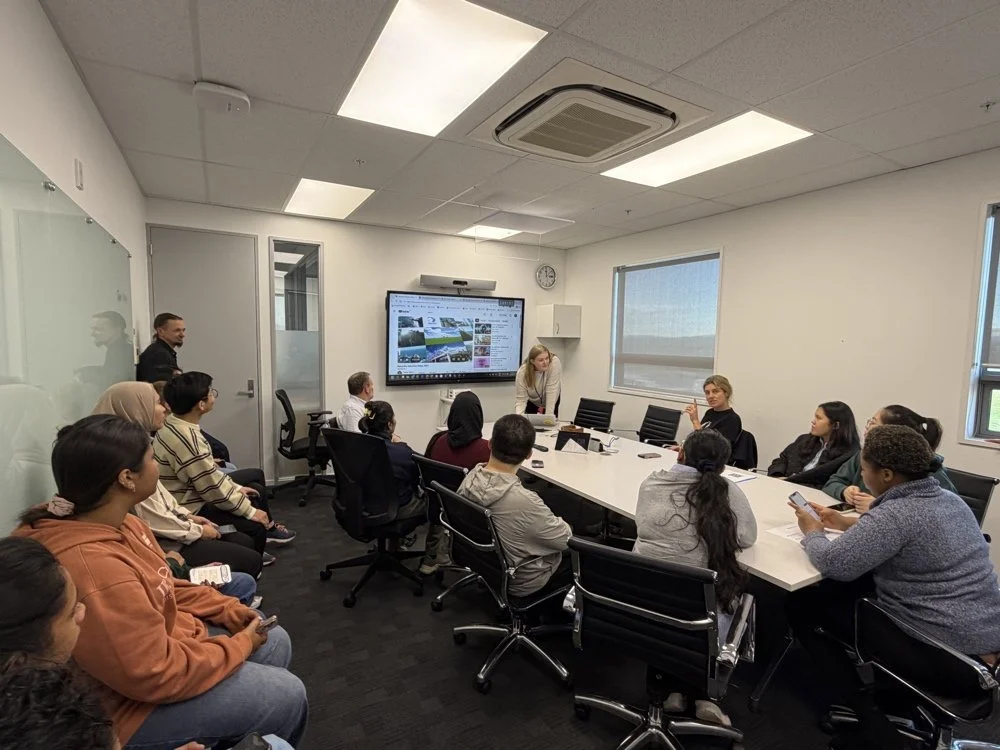
The Food Safety Culture Lab visited the Danone Nutricia Dairy Plant for an immersive teaching session as part of a postgraduate Food Safety Culture module. The visit was designed to bring advanced theory into direct dialogue with the practices of a leading global manufacturer.
Vision-led: Food safety as a “North Star”
During the visit, the Danone team presented its Quality and Food Safety Ambition. Within this framework, food safety is not treated as a compliance requirement alone, but as a guiding “North Star” shaping organisational direction. The model is structured around four pillars: Be Preferred, Be Efficient, Be Trusted, and Be Proud.
For postgraduate students, this provided more than a management framework; it offered a compelling case of how a global organisation operationalises a high-level vision into everyday behaviours expected of all employees.
Data-driven: The “error reduction” dividend of quality culture
A central theme of the session was the tangible impact of quality culture on business performance. One figure from Gartner was particularly striking: organisations with a strong quality culture reported a 50% reduction in errors per employee per week (from 5.51 to 2.76) compared with organisations with weaker cultures.
Through direct engagement on site, students developed a clearer understanding that food safety culture is not merely an abstract ideal but a measurable organisational asset. Food safety culture protects both consumers and brand integrity through reduced errors and strengthened compliance.
On the ground: Making culture visible
During the factory walkthrough and discussions, attention turned to how quality culture is made visible in practice. A strong culture could be recognised through several observable signals:
Colleagues openly discussing quality in day-to-day work
A pervasive sense of quality embedded in the working environment
Visible actions prioritising quality in operational decisions
The transmission of quality values across teams and peers
Alongside production lines for high-sensitivity products such as infant formula, students experienced first-hand a culture characterised by vigilance, responsibility, and professional pride.
Reflection and outlook: Educating future food safety leaders
The visit offered more than an introduction to advanced manufacturing systems. It revealed the often invisible cultural infrastructure that underpins them. Such engagement supports students in developing a “total view” of food safety. This perspective integrates systems, behaviours, and organisational context.
The Food Safety Culture Lab remains committed to building bridges between academia and industry, translating complex theory into practices that are clear, accessible, and actionable. As Danone expresses in its guiding ethos, “Because we care”, the work of building and sustaining food safety culture is an ongoing journey.
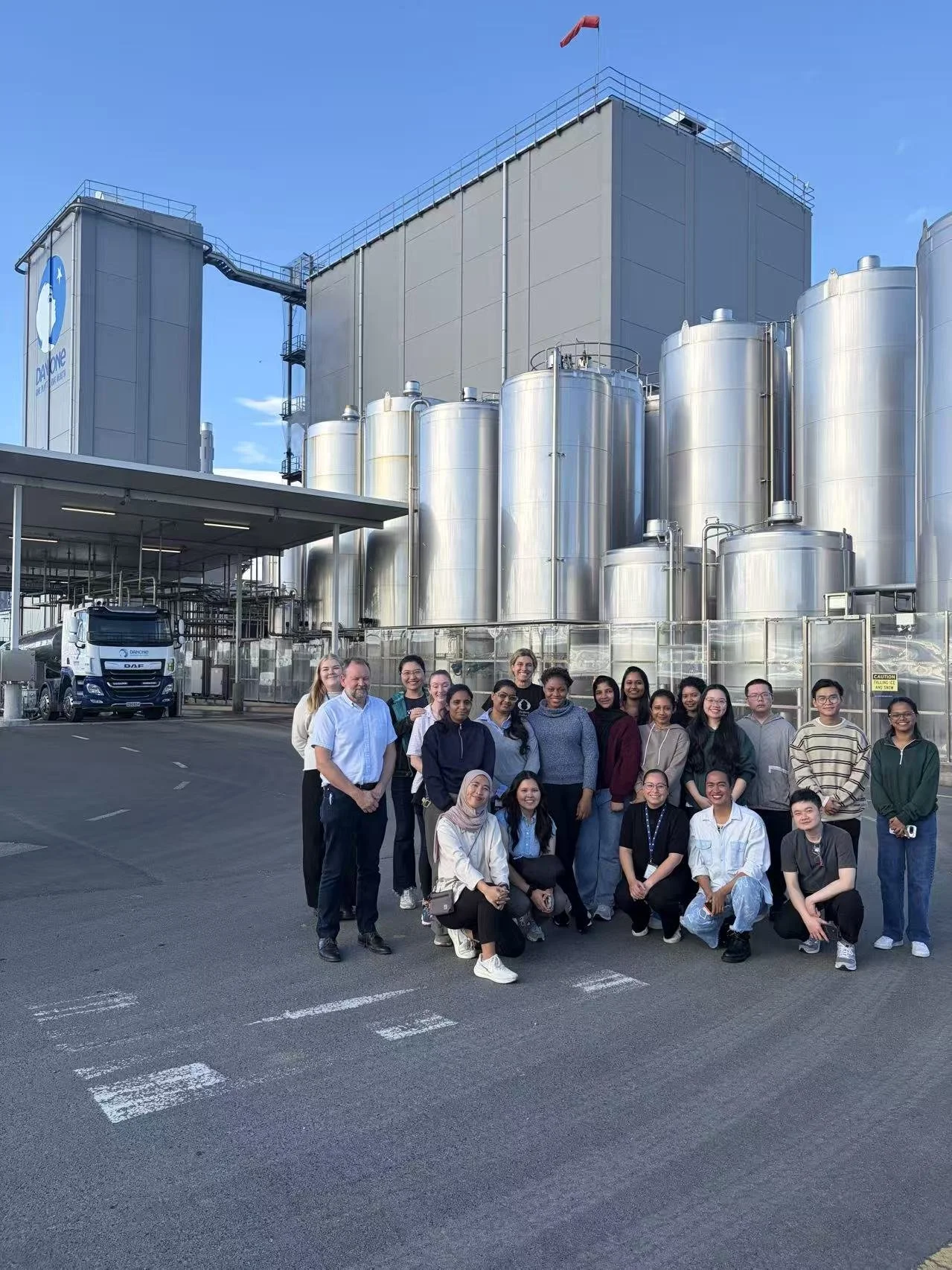
The Food Safety Culture Lab extends its sincere thanks to Danone for hosting the visit and for providing valuable insight into its company culture.
Bringing theory into practice, this module integrates food safety culture, behavioural science, and industry engagement to support more effective and sustainable food safety systems.
2026 | 04 | 08
Food Safety Culture · Industry Engagement · Behavioural Science · Higher Education · University of Otago · Dairy Industry · Public Health